SEPTEMBER IN-PERSON EVENT
Special In-Person Tour of the Textile Museum’s New Exhibit, “Weaving an Empire: Textiles of the Inka World”
Pre-Columbian Society members-only
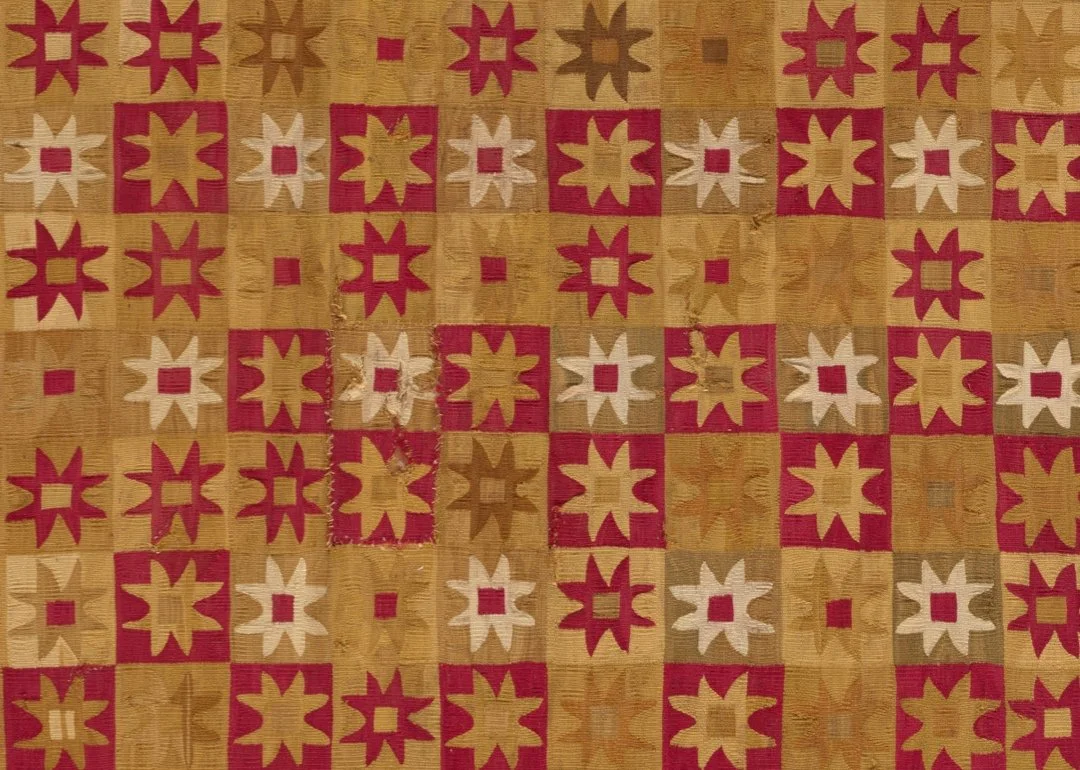
In the 15th century, the Inka built one of the world’s largest empires, rapidly expanding beyond the Cuzco Valley to occupy much of South America’s western region. Weaving an Empire displays rarely exhibited garments from the diverse communities under Inka rule who dressed to reflect allegiance to the empire and their own local styles and traditions. This event is free and open to all current members of the Pre-Columbian Society members, but space is limited. To join the tour, please, contact us at pcswdc@gmail.com.
0CT0BER VIRTUAL MONTHLY MEMBERSHIP MEETING
Friday, October 2, 2026
Architecture and Sacrifice: An Unexpected Combination Providing Cultural Stability by Annick Daneels, PhD, Universidad Nacional Autónoma de México
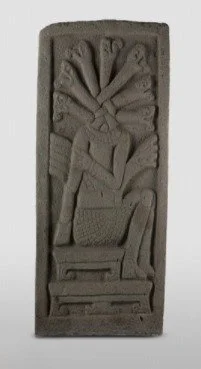
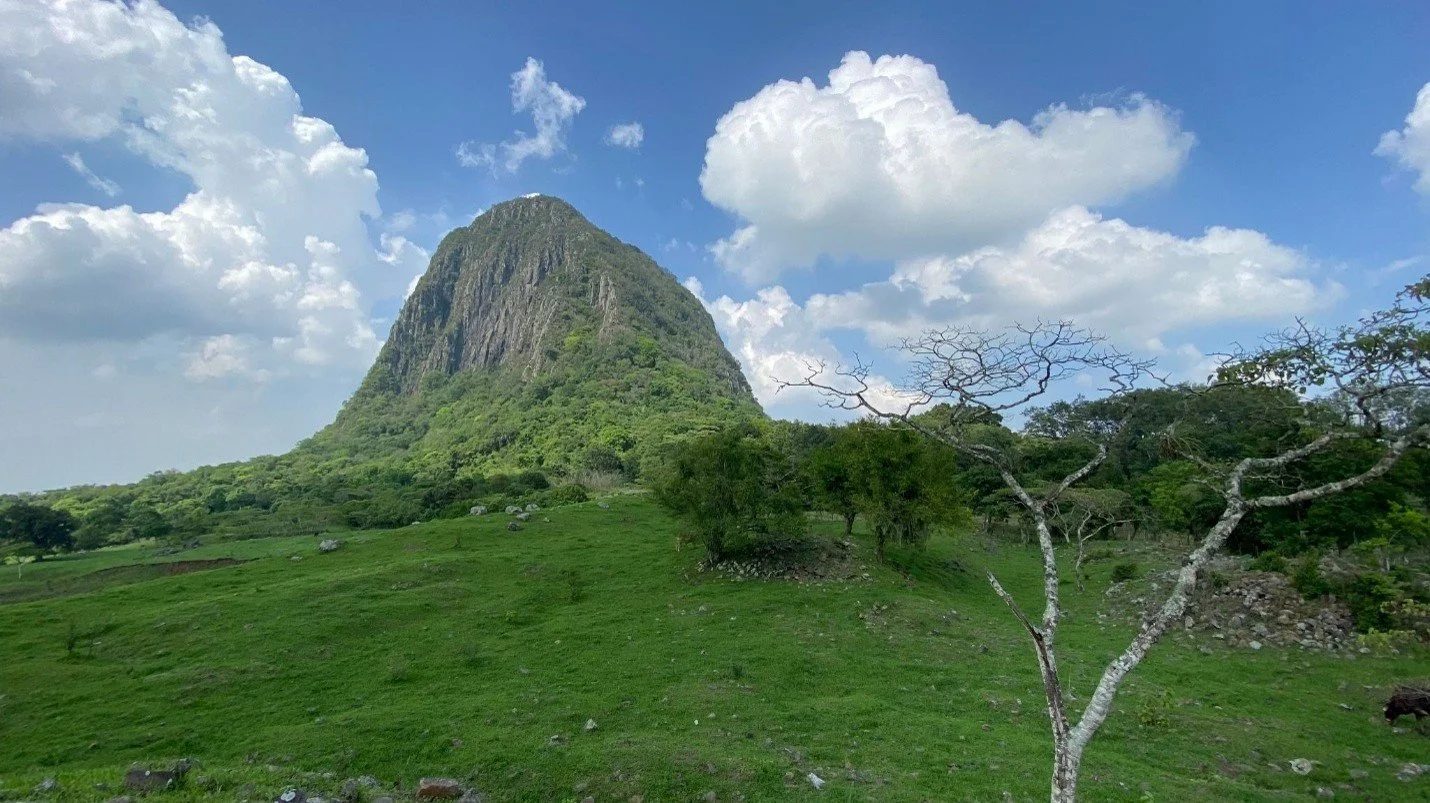
During the Classic period, the societies of Central Gulf Coast of Mexico developed a superb culture, best known for the Tajín pyramid, and the famous yoke, hacha and palma sculptures, as well as the Smiling Face figurines, that are the pride of many musea in the world. It was a very stable culture, stretching the first millennium AD, apparently immune to the sociopolitical turmoil affecting Teotihuacan, Oaxaca Valley and maya area, the high-profile civilizations during this period. This stability appears to derive from a combination of factors: a durable agricultural abundance, making for a dispersed and rich population, and an elite control of ritual practices including human sacrifice, in two versions: the beheading ritual associated to the ubiquitous ball-game (including the yugo/hacha/palma paraphernalia), and the consecration of buildings in political centers, that often contain ceramic figurines that are part of the popular religion. Both rituals show a level of dialogue between communities and political authorities, that apparently allowed to resolve crisis and conflicts for centuries, until increasing militarism at the turn of the millennium broke down the balance. Thus, Central Veracruz offers an interesting contrast with the histories of other Classic period civilizations, showing an original, if bloody, pathway to stable governance, based on collective participation in construction, game and ritual.
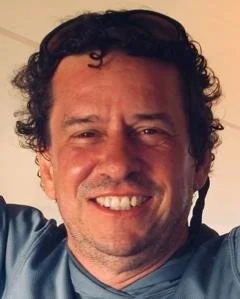
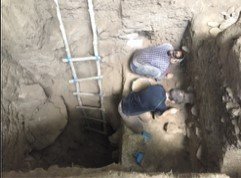
Annick Daneels, PhD. is an archaeologist, graduated from Ghent University in Belgium. Since 1981 she has directed archaeological projects on the Gulf Coast, specializing in Classic period Central Veracruz. As a researcher at the National Autonomous University of Mexico, she has since 1998 focused on ritual practice and architecture, about which she has extensively written in Spanish, English and French. She is co-editor of the book: Ballgame Rituals on the Gulf Coast of Mesoamerica: Beyond Beheading, now in press at the University of Florida Press.
This lecture will be presented virtually on the Society’s Zoom platform. Please pre-register to attend. A registration link will be available here in the second half of September.
Warning: this lecture contains images of human sacrifice.